Lighting Ideas For Living Rooms That Make Your Space Feel Warm and Inviting
I’ve learned that the right lighting can completely change how a living room feels, even if nothing else in the space changes. When I first started experimenting with different Lighting Ideas For Living Rooms, I realized it wasn’t about adding one bright fixture and calling it done, it was about layering cozy, practical light that made the room feel warm and inviting.
A simple floor lamp, a dimmer switch, or even a few warm-toned bulbs can make a huge difference. If your living room feels flat, dark, or unfinished, these ideas can help you create a space that feels comfortable any time of day.
Layered lighting plan: combine ambient, task, and accent fixtures
I’ve learned that the best living rooms use three types of lighting working together. It’s not complicated, and you don’t need to overthink it.

Start with ambient lighting as your base layer. This is your overhead fixture or recessed lights that fill the whole room with soft, general light. Think of it as the foundation that makes your space feel welcoming.

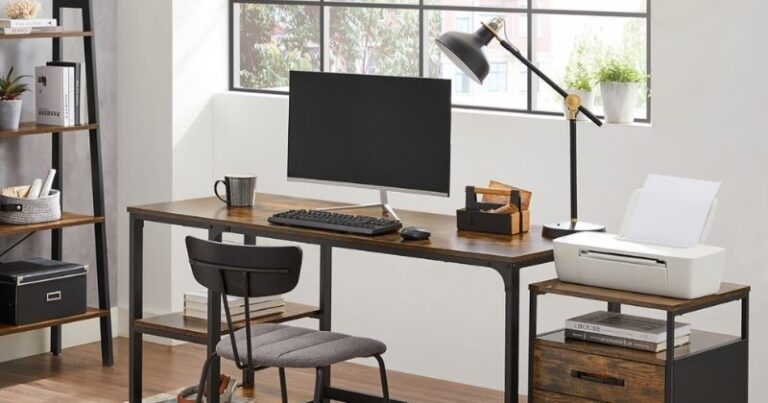
Next, add task lighting where you actually do things. I always put a reading lamp next to my favorite chair and a table lamp near the sofa. These lights help you read, work on your laptop, or do puzzles without straining your eyes.
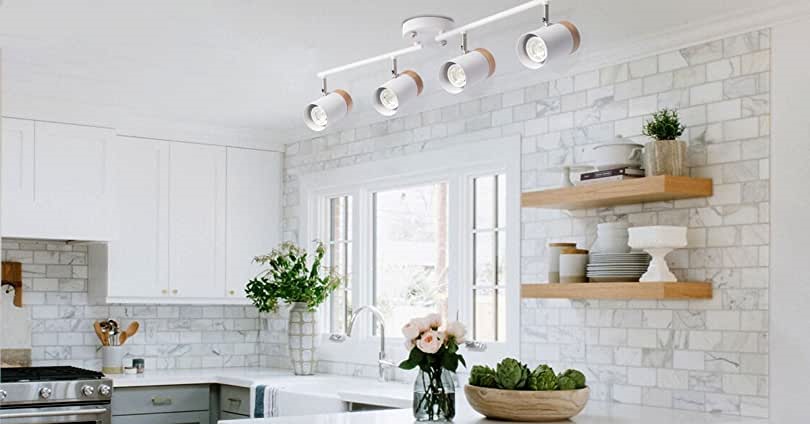
Finally, accent lighting adds warmth and personality. Picture lights, track lighting aimed at artwork, or even small spotlights that highlight plants create visual interest. These fixtures draw attention to the parts of your room you love most.
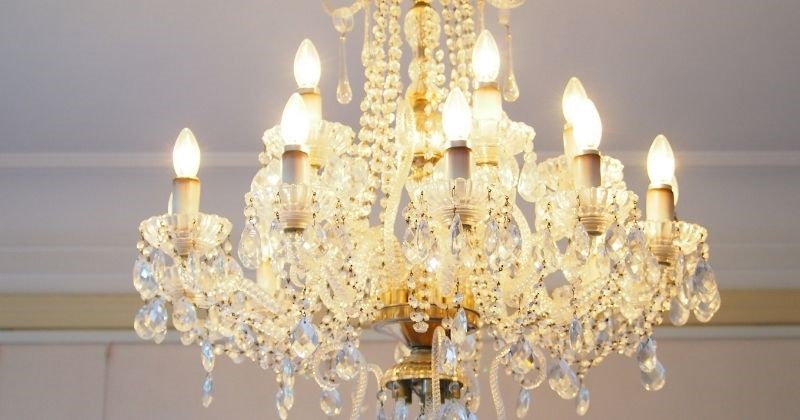
Statement chandelier: a sculptural brass or matte-black chandelier
I love how a bold chandelier can completely transform a living room without requiring a full redesign. Hanging one over your seating area creates an instant focal point that draws the eye up and makes the whole room feel more intentional.

Brass chandeliers bring warmth and a touch of elegance. They catch the light beautifully and work with almost any color scheme. I find they’re especially nice if you want something that feels classic but not stuffy.
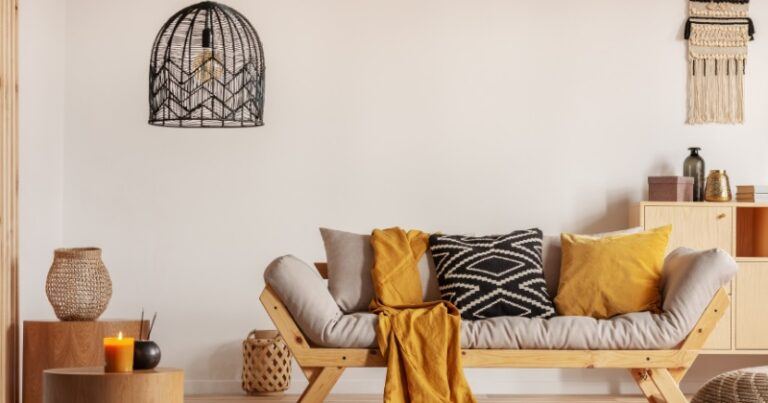
Matte-black fixtures offer a more modern edge. They provide strong contrast against light walls and can anchor an open layout with their sculptural presence. The trick is choosing a design with interesting shapes—geometric cages, radiating arms, or branching forms all work well.
You don’t need to spend a fortune to get this look. I’ve found great options at various price points that deliver the same visual impact as designer pieces. Just make sure your ceiling height can handle it—you want the chandelier low enough to make a statement but high enough that it doesn’t interfere with conversation or movement around your seating area.
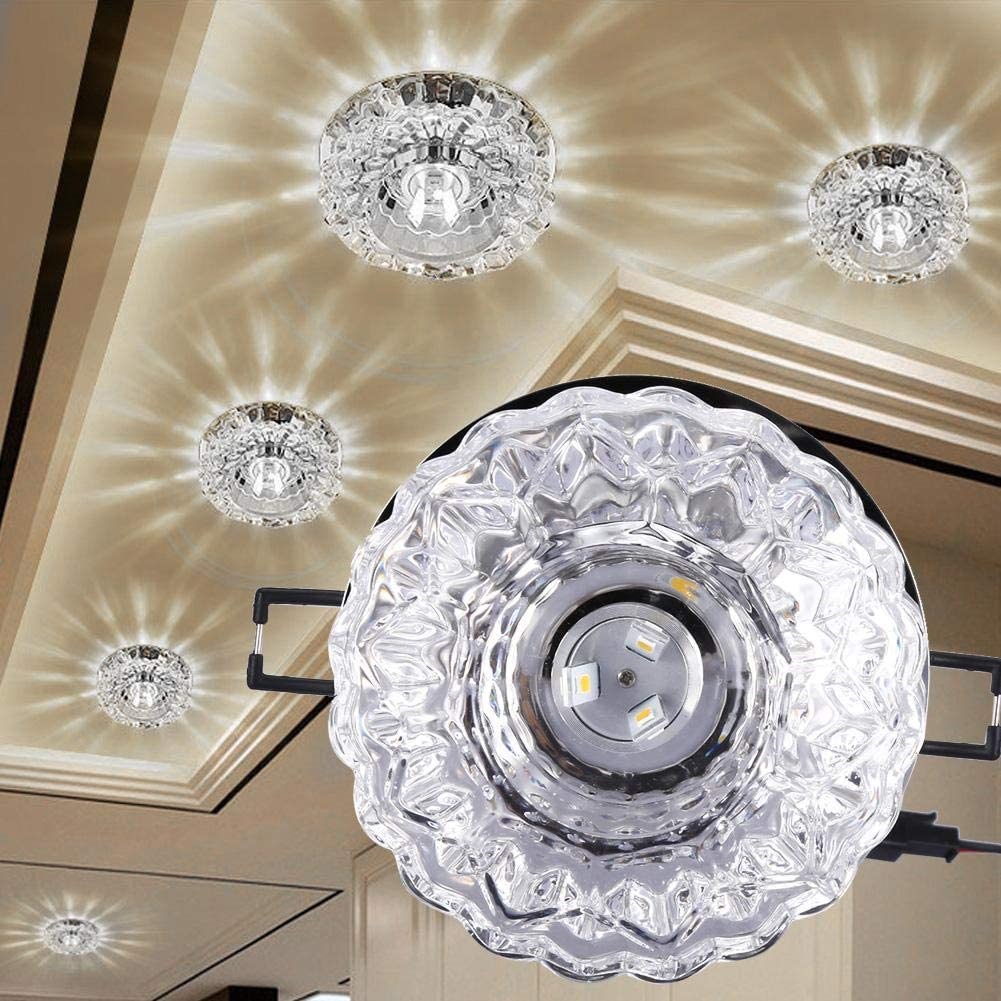
Recessed LED dimmers
I love how dimmers transform recessed lighting from basic to brilliant. They give you total control over your room’s mood without installing complicated systems.

A staggered grid of recessed LED cans with multi-zone dimmers is my go-to recommendation. You get even light spread across the whole room for daily activities. When movie night rolls around, you can lower the front lights while keeping just enough brightness near walkways.

The beauty is in the zones. I like to wire different areas separately so you can brighten up your reading chair while dimming the rest of the space. It’s practical for how we actually live.
LED dimmers are budget-friendly too since they cut energy costs and bulbs last for years. You don’t need fancy smart systems to get great results. A simple dimmer switch gives you the flexibility to shift from bright family game night to cozy conversation mode in seconds.
Arched floor lamp
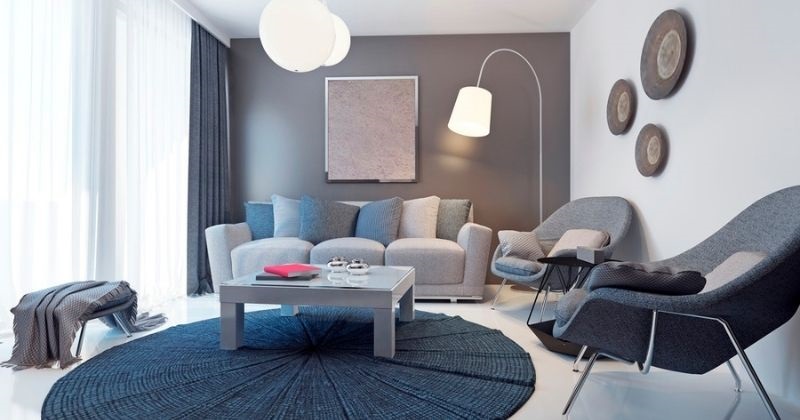
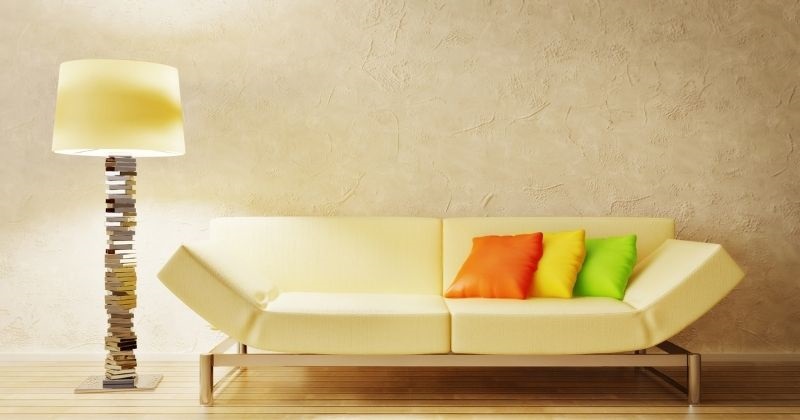
I love how an arched floor lamp solves the overhead lighting problem without any ceiling work. The curved arm reaches out over your favorite reading chair, bringing light exactly where you need it.

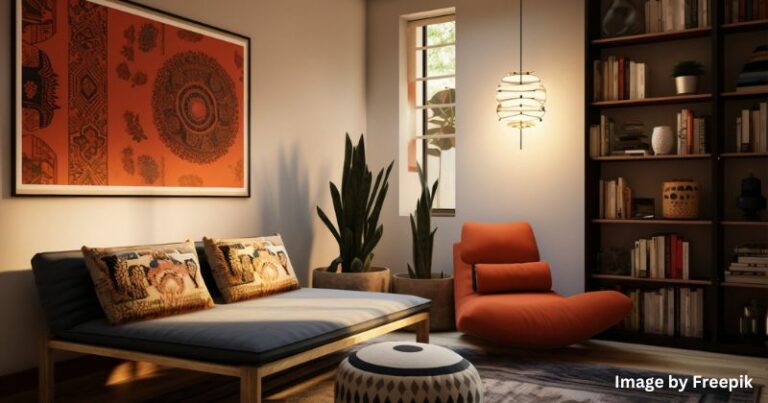
The base sits behind or beside your chair while the shade hangs overhead. This setup creates focused light for reading without taking up table space or requiring an electrician. I find it’s one of the most practical lighting choices for a cozy reading nook.
Look for a lamp with a drum shade wrapped in fabric. This diffuses the light into a soft glow instead of harsh brightness. The gentle light is easier on your eyes during long reading sessions.
The sleek metal frame tucks neatly behind furniture without eating up floor space. Many designs look like modern sculptures, adding visual interest even when the lamp is off. I think they work especially well in corners where a traditional floor lamp would feel too stiff or boring.
Most arched lamps include a foot switch, which makes them easy to turn on and off without reaching up. This small detail makes a big difference when you’re settled in with a good book.
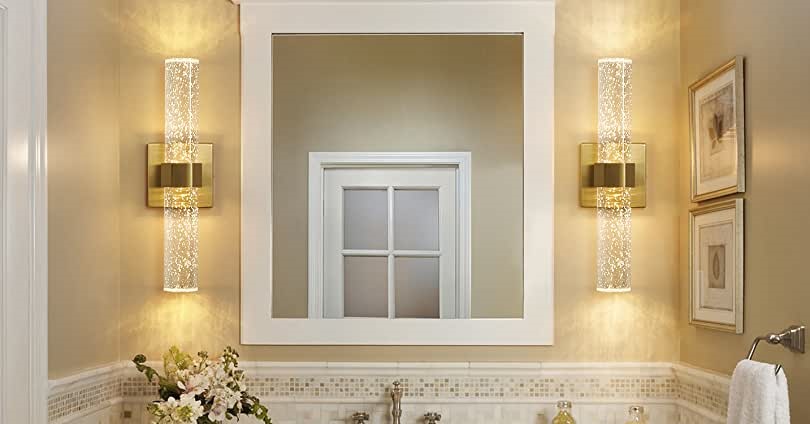
Wall sconces flanking artwork or the TV
I love using wall sconces on either side of artwork or my TV because they create such a balanced, polished look. Placing matching sconces symmetrically draws attention to what you want to highlight while adding soft, layered lighting to the room.

When I position sconces flanking a piece of art, they work like mini spotlights that make the artwork pop without harsh overhead glare. The warm glow adds depth and makes the wall feel intentional and thoughtfully designed.
For TVs, I’ve found that sconces placed on each side reduce eye strain during evening viewing. They provide ambient light that fills in the darkness around the screen without causing annoying reflections.
The key is keeping the sconces at a similar height and equal distance from whatever you’re flanking. This symmetry creates visual balance that feels naturally pleasing to the eye. I aim for sconces that complement my room’s style—simple modern fixtures for contemporary spaces or decorative options for traditional rooms.
This approach transforms blank walls into focal points while solving the practical problem of needing more than just overhead lighting. It’s one of those small changes that makes a surprisingly big difference in how finished and cozy your living room feels.
LED Picture Lights to Highlight Artwork
I love using LED picture lights to draw attention to my favorite art pieces and styled shelves. These small fixtures mount directly above or below what you want to showcase, creating a gallery-like feel without spending a fortune.

LED options are my go-to because they use less energy and last for years. You won’t be changing bulbs constantly, which is a huge plus. They come in different widths to match your frame size, plus you can choose warm or cool tones depending on your room’s vibe.

I’ve found that battery-operated versions work great if you’re renting or don’t want to deal with wiring. Plug-in and hardwired options give you a cleaner look if you’re up for a simple installation. Many LED picture lights are dimmable too, so you can adjust the brightness for different moods.
The best part is how they make your space feel more intentional and pulled-together. Even budget-friendly art looks elevated with the right lighting shining on it.
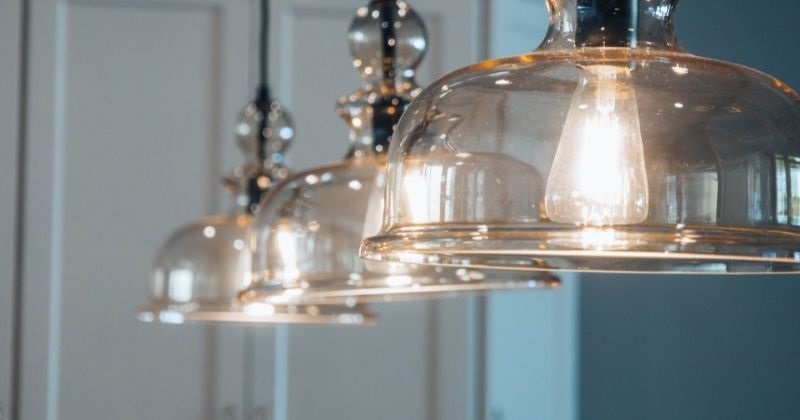
Plug-in pendant cluster over a coffee table
I love using plug-in pendant clusters above coffee tables because they create a focal point without any complicated wiring. You simply hang them from the ceiling, plug them into a wall outlet, and you’re done in minutes.

A cluster pendant combines multiple lights at different heights to form one eye-catching fixture. This works beautifully over a coffee table because it draws attention to your seating area and makes the space feel more intimate.
The plug-in feature is perfect if you’re renting or don’t want to hire an electrician. You can find options with adjustable cord lengths so you can customize how low each light hangs. I recommend choosing glass globes or simple metal shades that match your existing decor.
When picking a cluster pendant, think about your coffee table size. A wider table can handle more lights in the cluster, while a smaller table looks better with three to five pendants grouped together.
This lighting option adds warmth and personality to your living room without breaking the budget. Plus, you can take it with you when you move.
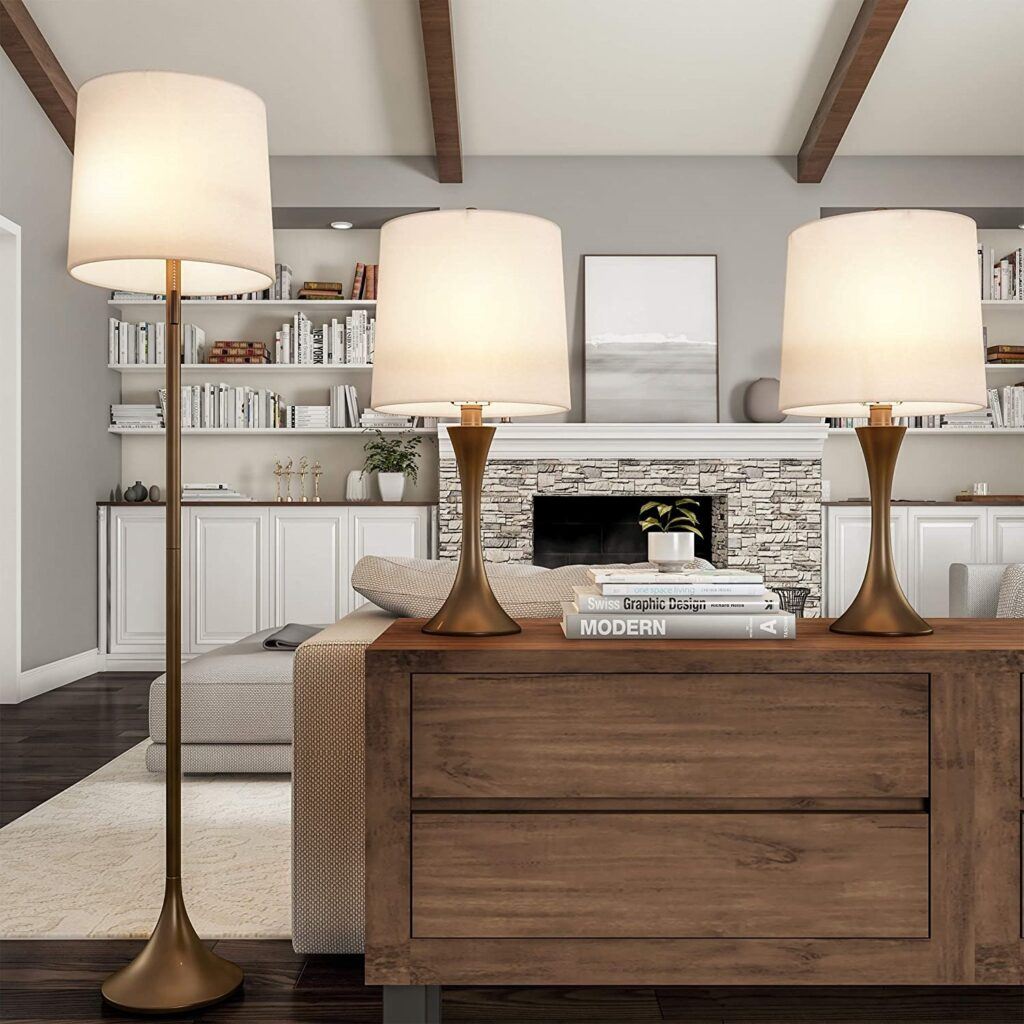
Table lamps with warm LED bulbs and fabric shades
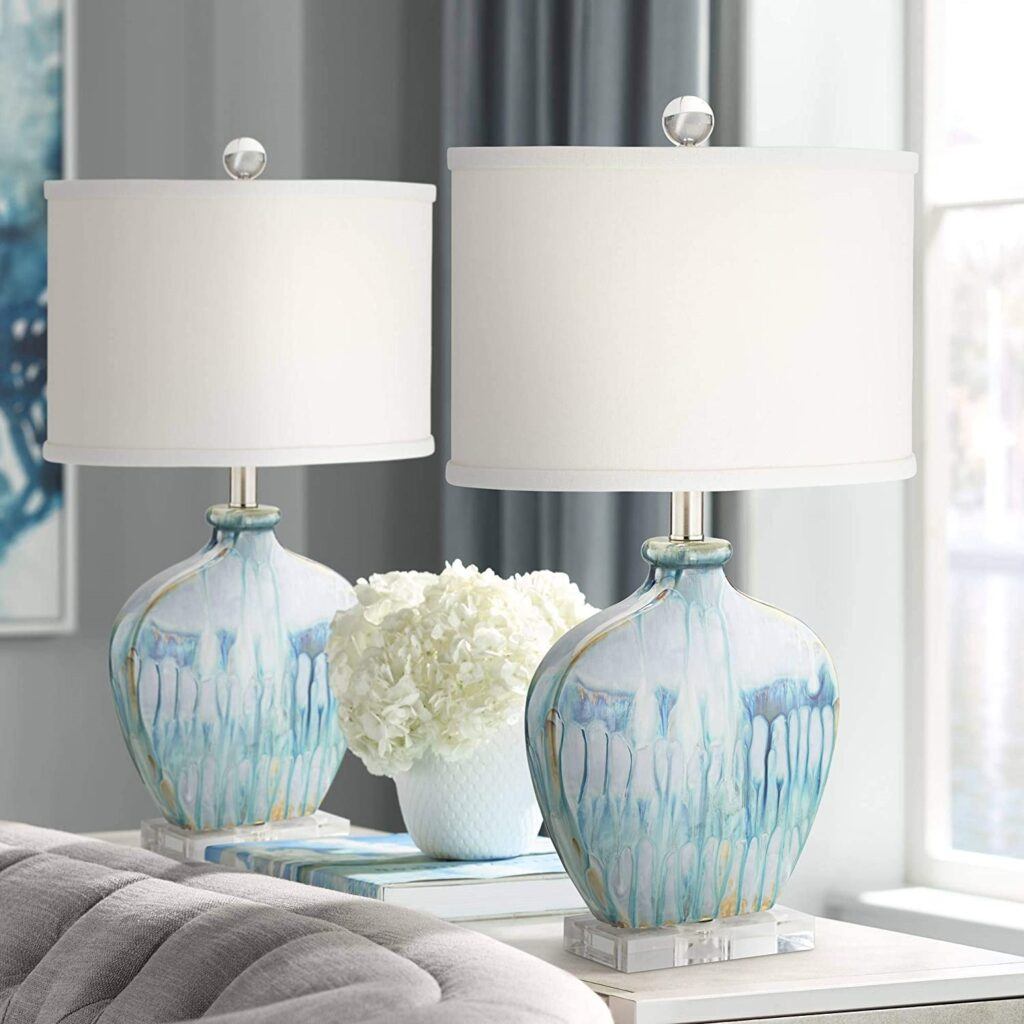
I always tell people that the right table lamp can turn any forgotten corner into your favorite spot to curl up. Table lamps with fabric shades and warm LED bulbs are my go-to recommendation for this exact reason.

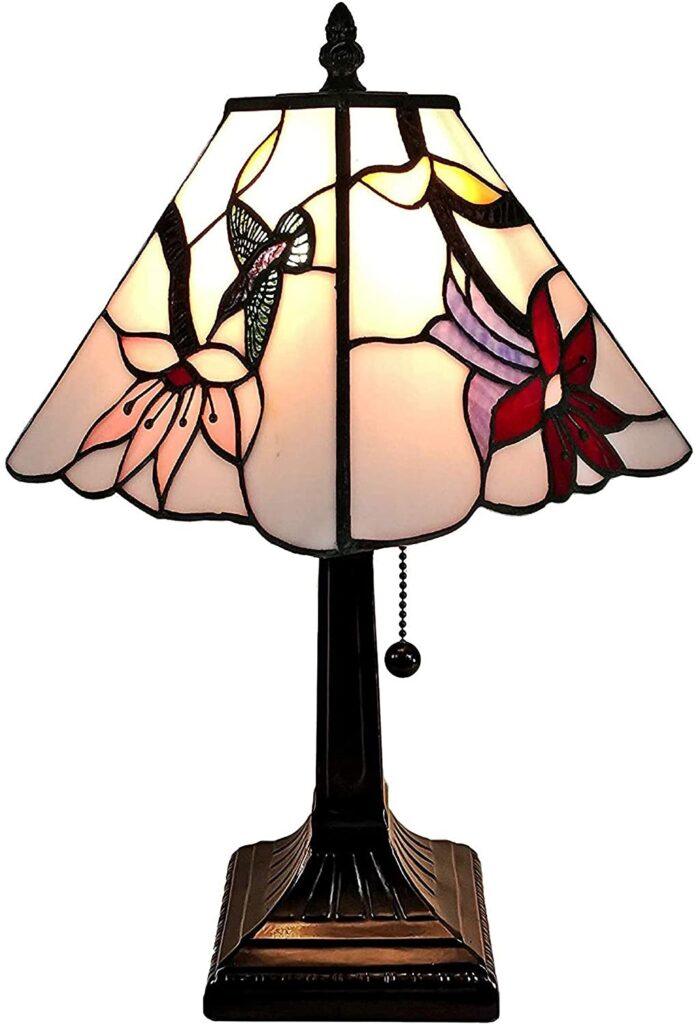
The fabric shade does something special that you won’t get with glass or metal. It softens the light and spreads a gentle glow that makes a room feel instantly more inviting. I’ve found that cone-shaped or drum-shaped shades work best for directing light where you need it while keeping things cozy.

Warm LED bulbs are where the magic really happens. They give you that soft, amber-toned light without the high energy bills of traditional bulbs. Plus, many options are dimmable, so you can adjust the brightness based on whether you’re reading or just relaxing.
I like placing these lamps on side tables next to reading chairs or on shelves in empty corners. The combination of warm light and soft fabric creates little pockets of comfort throughout your living room. You don’t need expensive fixtures either—ceramic or simple metal bases paired with neutral fabric shades look polished without breaking your budget.
Smart bulbs (Philips Hue) for color, schedules, and easy mood shifts
I’ll be honest—smart bulbs completely changed how I think about living room lighting. Philips Hue bulbs fit right into your existing lamps and fixtures, so there’s no rewiring or complicated setup involved.

What I love most is the flexibility. You can dim the lights down to a soft golden glow for movie nights or brighten them up in the morning when you need that extra wake-up boost. The color options are fun too—I’ve set mine to warm amber tones for cozy evenings and cooler whites when I’m reading.
The scheduling feature is where things get really convenient. I programmed mine to gradually brighten in the morning and dim automatically at night. It sounds small, but it makes my routine feel so much smoother.
You control everything through an app on your phone, which took me about five minutes to set up. Just scan the QR code on the bulb and you’re ready to go. If you have a smart home system like Alexa, they connect to that too.
They’re definitely pricier than regular bulbs, but I started with just one or two in my most-used lamps. You don’t need to outfit your whole room right away.
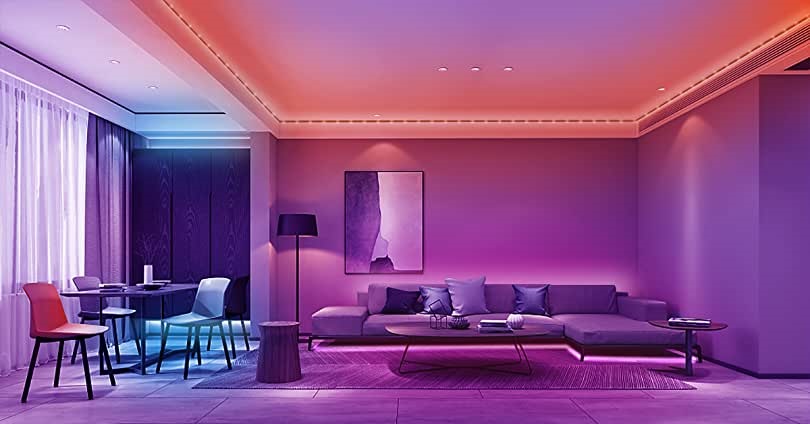
Integrated cove or tray ceiling lighting
I love how cove lighting transforms a living room without taking up any floor or table space. The lights hide in recessed ledges along your ceiling or walls, casting a gentle glow that bounces off surfaces instead of shining directly down.

This kind of lighting works especially well with tray ceilings. You install LED strips in the recessed areas, and the light spreads upward or outward to create depth and warmth. It’s one of my favorite ways to make a room feel more expensive than it actually is.

The best part is how it changes the mood. Instead of harsh overhead lights, you get a soft wash of illumination that makes everything feel calm and welcoming. I think it’s perfect for movie nights or relaxing evenings when you want ambient light without glare.
LED strips are budget-friendly and easy to install if you’re handy. You can choose warm or cool tones depending on your style. The setup adds a layer of sophistication that regular ceiling lights just can’t match, and it highlights your ceiling’s architectural details beautifully.
Common Challenges in Living Room Lighting
Getting the lighting right in your living room isn’t always straightforward. From tricky room shapes to managing sunlight throughout the day, these common hurdles can leave your space feeling off-balance or unwelcoming.

FAQ’s About My Lighting Ideas For Living Rooms:
1) What are the best Lighting Ideas For Living Rooms on a budget?
Layered lighting with warm LED bulbs, cozy floor lamps, wall sconces, and dimmable ambient lighting can completely refresh a living room without spending a fortune.
2) How do I make my living room feel cozier with lighting?
Using warm lighting, table lamps with fabric shades, accent lighting, and soft ambient lighting helps create a relaxing and inviting atmosphere.
3) What type of lighting works best for modern living rooms?
Modern living rooms look best with recessed lighting, statement chandeliers, smart bulbs, and layered lighting that combines both style and function.
Dealing With Awkward Layouts
I’ve found that oddly shaped living rooms can make lighting feel like a puzzle. Rooms with no ceiling light fixture, L-shaped layouts, or low ceilings create real challenges.
For rooms without overhead wiring, I rely on floor lamps and plug-in wall sconces to fill the gaps. These options give you ceiling-light impact without calling an electrician. In L-shaped spaces, I treat each section like its own zone—maybe a reading lamp in one corner and a statement floor lamp in the other.
Long, narrow living rooms need special attention. I avoid placing one light source in the center because it creates dark corners at both ends. Instead, I use two or three smaller fixtures spread throughout the room.
Low ceilings work better with flush-mount lights or semi-flush fixtures rather than chandeliers. I also position lamps at different heights to draw the eye around the room instead of just up to the ceiling.
Balancing Natural and Artificial Light
Natural light changes throughout the day, which can make your living room feel great at noon but gloomy by evening. I’ve learned to plan for both scenarios.
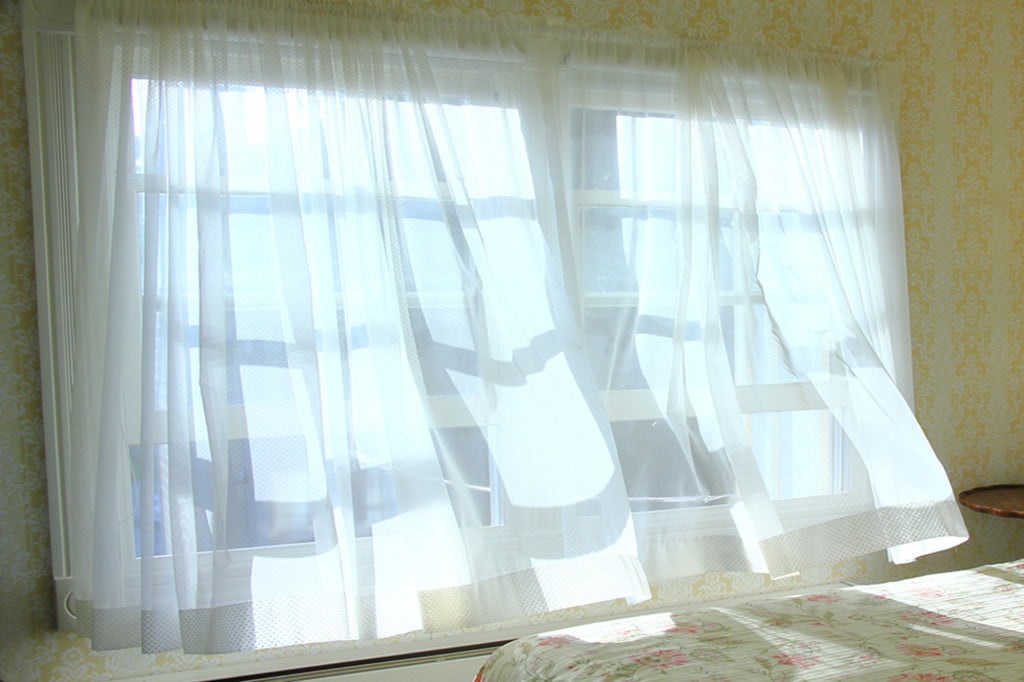
During daylight hours, I use sheer curtains or blinds to soften harsh sunlight without blocking it completely. This keeps the room bright but prevents that washed-out look on furniture and screens.
As evening approaches, I layer in warm-toned bulbs between 2,500-3,000K. These create a cozy atmosphere that feels natural rather than sterile. I place table lamps and floor lamps near windows to smooth the transition from daylight to artificial light.
Dimmers are my secret weapon here. They let me adjust brightness levels as natural light fades, so there’s never a jarring shift when I turn on the lights.
Avoiding Harsh or Flat Lighting
A single overhead light makes everything look flat and uninviting. I see this mistake often—it’s the quickest way to make a beautifully decorated room feel lifeless.
The fix is layering different light sources at various heights. I combine overhead ambient lighting with table lamps, floor lamps, and maybe an accent light or two. This creates depth and shadow that makes the space feel three-dimensional.
Harsh lighting usually comes from bulbs that are too bright or too cool in color temperature. I swap out bulbs over 3,000K for warmer options, and I use lampshades or diffusers to soften the light.
I also avoid placing all lights at the same level. Mixing floor lamps with table lamps and wall sconces creates visual interest and eliminates that flat, one-note feeling that drains the warmth from a room.
Tips for Mixing Different Light Sources
The secret to a well-lit living room is combining different types of light at different heights throughout your space. I always tell friends that mixing your light sources creates depth and lets you adjust the mood for any occasion.
Layering Ambient, Task, and Accent Lighting
I think of lighting layers like building an outfit—you need a good base, then add pieces that serve specific purposes.
Ambient lighting is your foundation. This is the overall light that fills the room, like overhead fixtures, chandeliers, or recessed ceiling lights. It gives you enough brightness to move around safely and see the whole space.
Task lighting helps you do specific activities without straining your eyes. I add table lamps next to reading chairs, floor lamps near workspaces, and adjustable lights in corners where I need focused brightness. These lights should be brighter than your ambient sources but positioned so they don’t create harsh shadows.
Accent lighting adds drama and draws attention to things you love. Wall sconces can highlight artwork, while small spotlights can showcase plants or architectural details. I use these sparingly—just enough to create visual interest without overwhelming the room.
The key is placing these three types at different levels from ceiling to floor, which creates a balanced glow instead of flat, boring light.
Creating Cozy Mood Lighting on a Budget
You don’t need expensive fixtures to create warm, inviting light in your living room.
I start with dimmer switches, which cost around $15-30 and transform existing overhead lights into adjustable mood setters. They let you lower the brightness for movie nights or bring it up when you need to clean.
String lights aren’t just for holidays. I drape them along bookshelves or behind furniture for soft background glow that costs less than $20. Battery-operated options mean no outlet hunting.
Table lamps with warm bulbs (look for 2700K color temperature) create cozy pools of light. I find affordable options at thrift stores and pair them with inexpensive shades. Candles and battery-powered LED candles add flickering warmth without any electrical work needed.
The trick is spreading multiple smaller light sources around the room instead of relying on one bright overhead fixture.